Three things that separate AI leaders from AI laggards

I was catching up with a longtime friend recently. We’ve both been writing software for decades, and somewhere in the conversation I said something that surprised even me. A realization I hadn’t quite been able to articulate until that moment, about how fundamentally the relationship between humans and computers is changing.
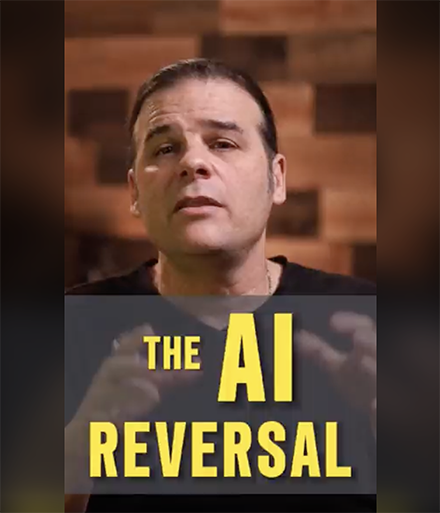
It’s something I unpack in one of my videos, and I think it reframes the entire conversation about where AI value actually comes from.
But here’s the part I want to focus on: I’m in a lot of AI conversations with business and technology leaders right now, and there is no shortage of noise and confusion about where to actually focus. Most organizations know they need to be doing something with AI. Fewer know what’s actually moving the needle.
Across the projects I’ve been involved in, three things consistently separate the organizations getting real results from the ones still waiting for them.
1. Continuous training, not a one-time event
The organizations winning with AI have made learning an ongoing habit, not a checkbox. AI tools are evolving fast, and the skill gap between teams that keep developing and teams that don’t is compounding quietly in the background. This one is entirely within a leader's control, which makes it one of the most important places to focus.
2. Proprietary data as a competitive advantage
The base models are available to everyone. Your competitors have access to the same foundational technology you do. What they don’t have is your data, your customer history, your institutional knowledge. The organizations building the most durable AI advantage are the ones figuring out how to bring that unique context into the equation. That’s where differentiation actually lives.
3. Tool selection matters, but less than you might think
This one tends to surprise people. Choosing the right AI tools is worth doing thoughtfully, but of the three observations, it is the least differentiating factor. Everyone has access to great tools. What separates organizations is whether their people know how to use them well, and whether those tools are connected to something uniquely valuable. Tool debates can become a distraction from the work that actually compounds.
The question worth asking isn’t whether your organization is using AI. It’s whether you’re building the foundation that will still be an advantage a year from now.
There’s a lot more context behind each of these observations, including the insight from my conversation that I think puts all of it in a new light. I'd encourage you to watch the full video if any of this resonates.
Check out the video on LinkedIn and let me know what you think. I’m especially curious whether these three observations match what you’re seeing in your own organization.